
What Should Brands Expect from a Silicone Kitchenware Manufacturer?
A reliable silicone kitchenware manufacturer should provide more than finished products from a catalog. For brands, importers, and distributors, the manufacturing partner should help transform product ideas into commercially viable kitchenware solutions through product selection, customization, sampling, quality control, packaging, and repeat-order management.
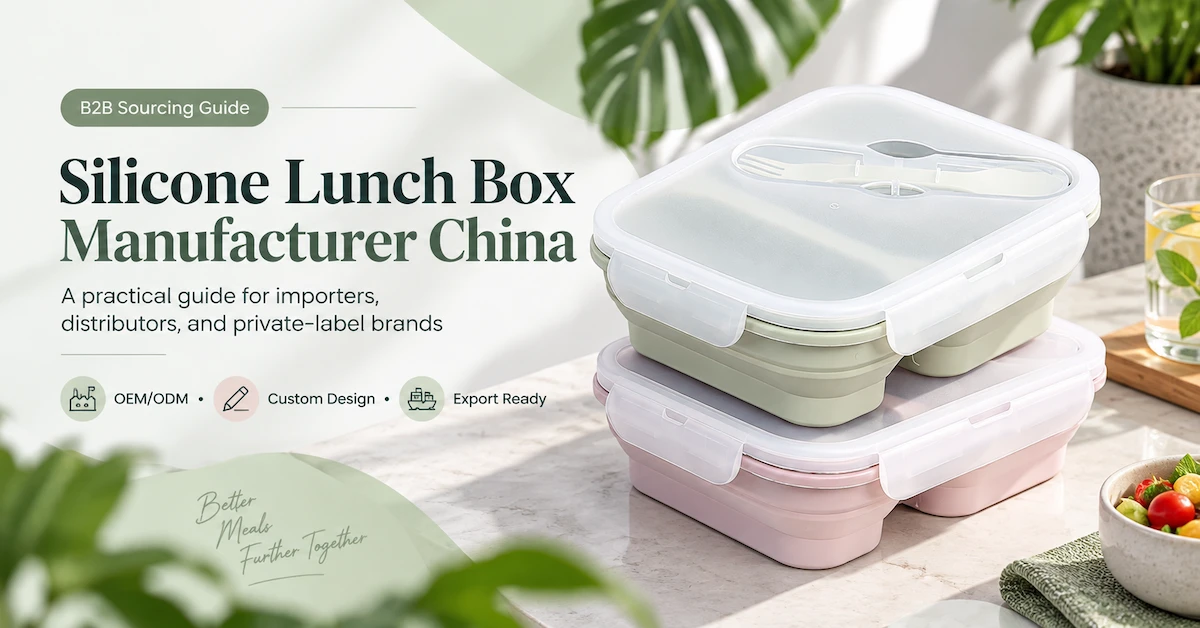
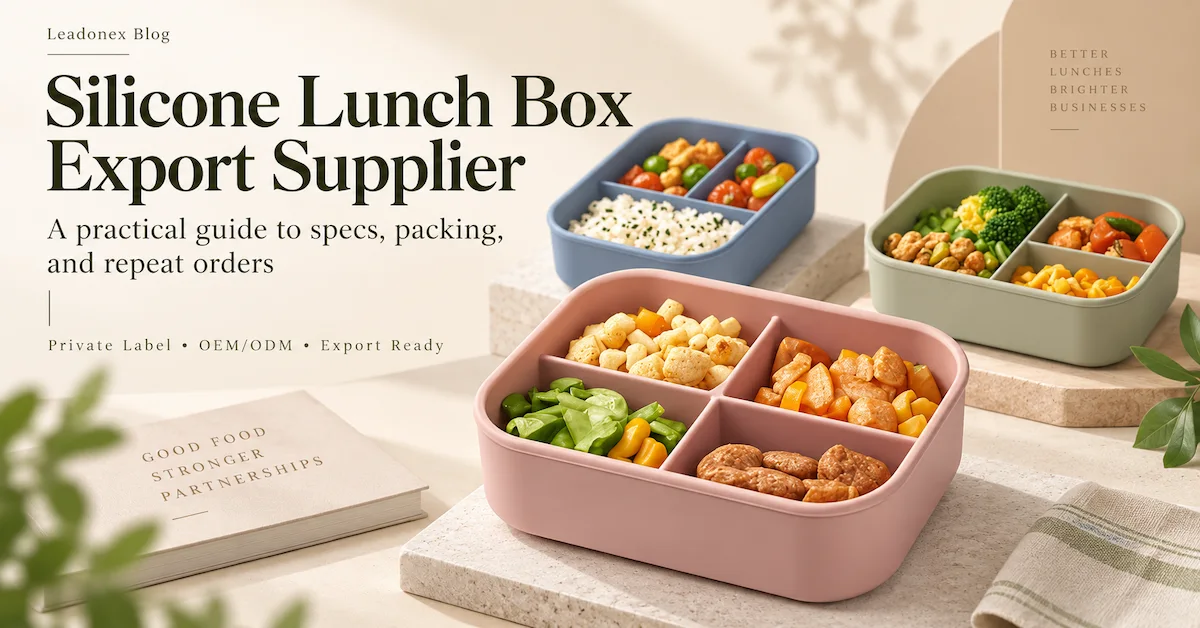
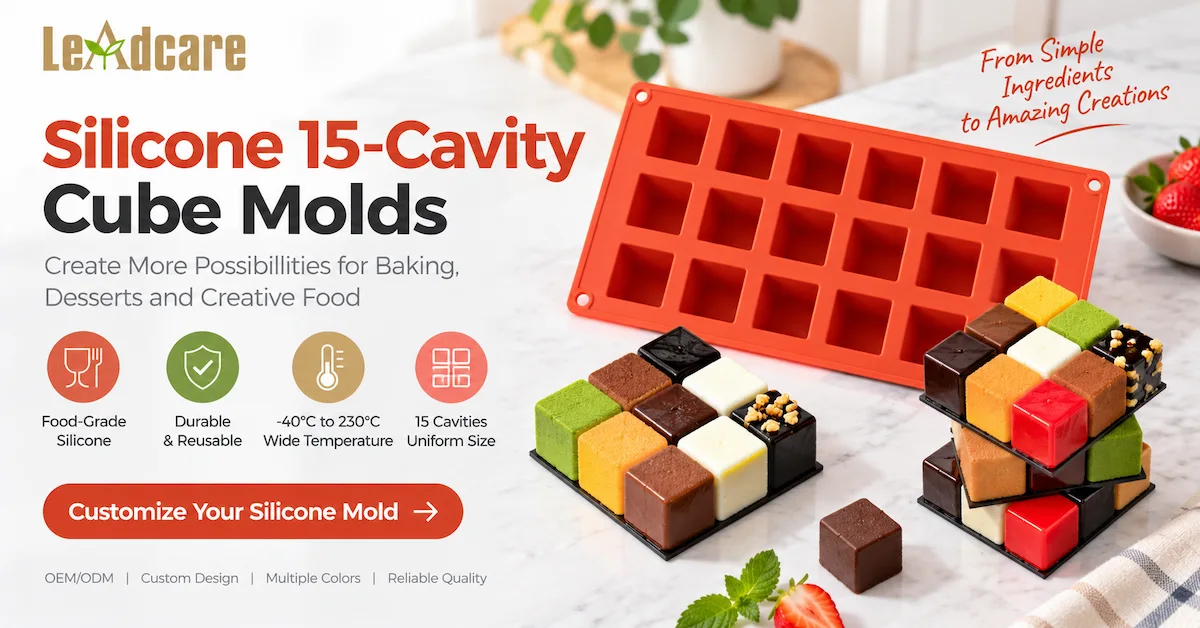
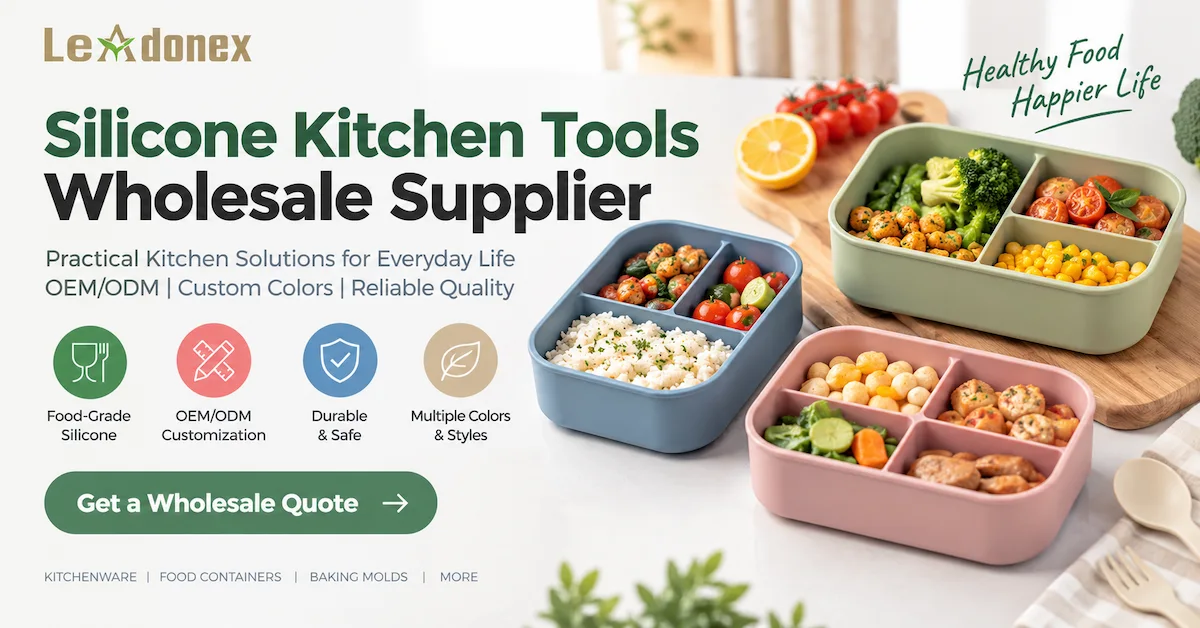
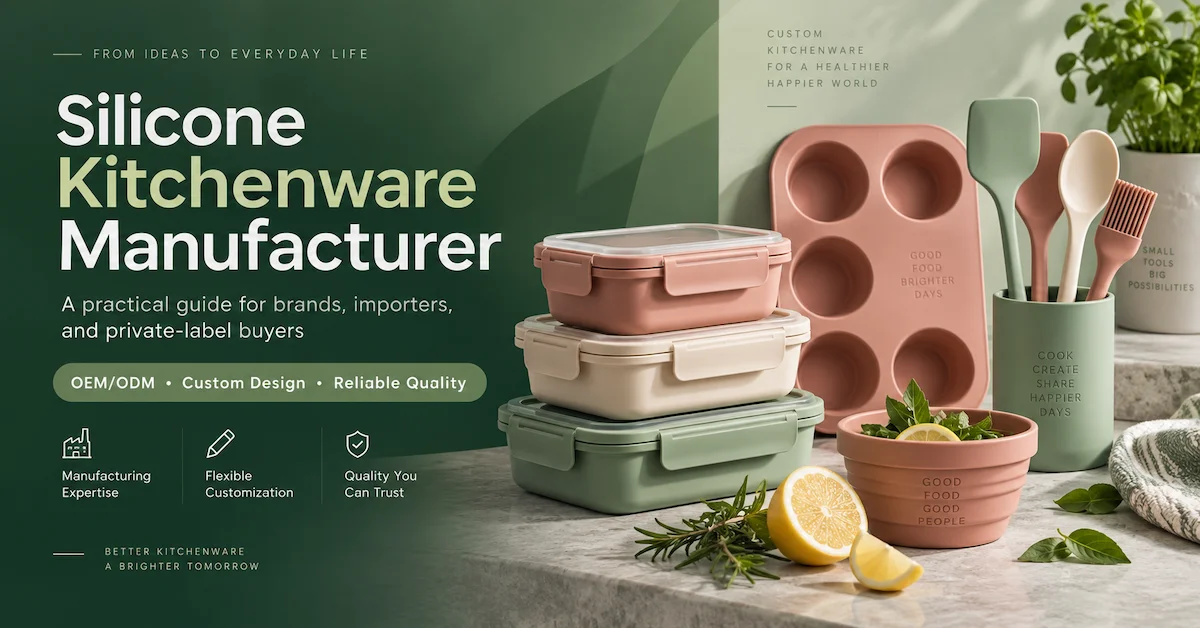
Silicone kitchenware covers a wide range of products, including food containers, baking molds, kitchen storage solutions, and other household silicone products. Because different applications require different structures and usage conditions, buyers should evaluate whether a manufacturer can support the specific product category they plan to develop.
Leadonex focuses on silicone product development and customization, with current product categories including Kitchenware & Molds, covering silicone food containers and silicone mold-related products. Buyers can start from existing product solutions and then define whether they need standard products, private-label customization, or further product development.
Why Choosing the Right Silicone Kitchenware Manufacturer Matters
For international buyers, selecting a manufacturer affects not only product quality but also the efficiency of the entire supply chain. A suitable supplier should help reduce uncertainty during product development, provide clear communication during sampling, and maintain consistency when products move into repeated production.
Many sourcing problems happen because buyers only compare visible factors such as product appearance or unit price. However, silicone kitchenware projects often involve additional considerations:
- Whether the product structure matches the intended application
- Whether the material and components are clearly defined
- Whether colors and branding can be reproduced consistently
- Whether packaging meets the requirements of the sales channel
- Whether production requirements are documented for future orders
A manufacturer that understands these points can help buyers create a more stable product line instead of purchasing isolated items.
Who Should Work with a Silicone Kitchenware Manufacturer?
Different buyer groups have different priorities when sourcing silicone kitchenware.
Private Label Kitchenware Brands
Private-label brands usually need products that are differentiated from standard market offerings. Their priorities often include:
- Custom colors
- Brand logo application
- Packaging design
- Product combinations
- Consistent appearance across multiple SKUs
For these buyers, a manufacturer with OEM/ODM capability can provide more value than a supplier offering only standard products.
Kitchenware Importers and Distributors
Importers often focus on:
- Stable product specifications
- Reliable production schedules
- Export packaging
- Documentation requirements
- Repeat-order consistency
They need a supplier who can maintain the same product quality across multiple shipments.
Retail and E-Commerce Sellers
Retail-focused buyers may pay more attention to:
- Product differentiation
- Consumer-friendly packaging
- Product photos and specifications
- Market positioning
A silicone kitchenware manufacturer should understand that the final product must support both manufacturing requirements and market presentation.
Understand the Main Silicone Kitchenware Product Categories
Before selecting a manufacturer, buyers should clearly define which product category they want to develop. Different categories involve different structures, production considerations, and purchasing requirements.
Leadonex organizes related products through its products page, allowing buyers to review existing solutions before preparing a custom project.
| Product Category | Typical Applications | Key Purchasing Considerations |
|---|---|---|
| Silicone Food Containers | Meal preparation, food storage, portable meals | Capacity, folding structure, lid design, component configuration |
| Silicone Lunch Boxes | Office meals, school lunches, travel | Size, compartments, portability, packaging |
| Silicone Baking Molds | Cakes, desserts, creative baking | Cavity design, dimensions, release performance |
| Silicone Kitchen Accessories | Food preparation and daily cooking | Structure, usability, durability, customization options |
Choosing the correct category first allows buyers to communicate requirements more effectively and avoid unnecessary development discussions.
Create a Product Specification Before Starting Manufacturing
A professional sourcing process begins with a clear specification. A silicone kitchenware manufacturer can provide a better proposal when buyers define what the product needs to achieve.
A basic specification may include:
| Specification | Buyer Should Confirm |
|---|---|
| Product application | Intended users and usage environment |
| Size | Product dimensions and capacity |
| Structure | Compartments, folding design, accessories |
| Material requirements | Applicable material information and components |
| Color | Target colors and reference standards |
| Branding | Logo position and method |
| Packaging | Retail packaging and shipping requirements |
| Quality requirements | Appearance, function, and inspection standards |
This information becomes the foundation for sampling and production approval.
Without a specification, buyers may receive different quotations that appear comparable but actually describe different products.
Evaluate Silicone Materials and Product Components
When sourcing silicone kitchenware, buyers should avoid evaluating only the main silicone body. Many products contain multiple components, including:
- Silicone container body
- Lid
- Closure system
- Accessories
- Supporting parts
- Packaging components
Each part may have different requirements depending on the product design.
For example, a silicone lunch box requires attention to folding performance, lid matching, and storage convenience. A silicone baking mold requires attention to cavity consistency, shape retention, and demolding performance.
A professional silicone kitchenware manufacturer should be able to explain the product structure and clarify which components are included in the final product specification.
How OEM and ODM Services Support Kitchenware Brands
OEM and ODM services allow brands to develop products beyond standard catalog purchasing.
Leadonex provides OEM/ODM services for buyers who require customized product solutions. Depending on the project requirements, customization may involve product appearance, colors, logos, packaging, and structural adjustments.
The development approach usually depends on the level of customization required.
| Development Type | Example Requirements | Suitable Buyers |
|---|---|---|
| Standard Product | Existing product with standard options | Importers testing new products |
| Private Label | Logo, color, packaging customization | Established brands |
| ODM Development | Structure, design, or product concept changes | Brands seeking differentiation |
Before starting an ODM project, buyers should clarify which elements need modification and which parts can remain based on an existing product platform.
Review Manufacturing Quality Through Samples
Samples are one of the most important stages when selecting a silicone kitchenware manufacturer.
A proper sample review should include:
Appearance Check
Review:
- Surface quality
- Color consistency
- Edge finishing
- Logo appearance
- Overall appearance
Functional Check
Depending on the product:
- Folding and unfolding
- Lid fitting
- Component matching
- Product stability
- Usability
Packaging Check
Confirm:
- Product protection
- Retail presentation
- Labels
- Accessories
- Shipping arrangement
The purpose of sampling is not only to approve appearance but also to establish a production reference.
Build Quality Control Requirements Before Mass Production
Quality control should be defined before bulk manufacturing begins.
A useful quality plan may include:
| Quality Area | Inspection Focus |
|---|---|
| Dimensions | Size consistency and critical measurements |
| Appearance | Surface defects, color, finishing |
| Function | Product performance during intended use |
| Accessories | Quantity and matching components |
| Packaging | Labels, protection, and completeness |
Clear inspection requirements reduce misunderstandings between buyers and manufacturers.
For repeat orders, the approved sample, product specification, artwork, and packaging files should remain as references.
Compare Silicone Kitchenware Manufacturers Beyond Price
Price is an important factor, but it should not be the only comparison point.
A lower quotation may exclude:
- Custom packaging
- Product development
- Sampling adjustments
- Inspection requirements
- Additional accessories
A complete supplier comparison should evaluate:
| Evaluation Factor | Why It Matters |
|---|---|
| Product capability | Determines whether the supplier matches your category |
| Customization ability | Supports brand differentiation |
| Communication quality | Reduces development mistakes |
| Quality control process | Helps maintain consistency |
| Production management | Supports repeat orders |
The goal is not simply to find the lowest price, but to find a manufacturing partner that can deliver the expected product consistently.
How to Prepare an RFQ for a Silicone Kitchenware Manufacturer
A detailed RFQ helps manufacturers provide more accurate feedback.
Buyers should include:
- Product category
- Reference images or drawings
- Target market
- Expected quantity
- Required colors
- Logo requirements
- Packaging requirements
- Product functions
- Development expectations
For customized projects, buyers can submit requirements through Leadonex’s customization page.
For general inquiries, buyers can contact Leadonex through the contact page.
A complete RFQ allows the manufacturer to evaluate product feasibility, customization requirements, and possible production solutions.
Frequently Asked Questions
1. What does a silicone kitchenware manufacturer provide?
A silicone kitchenware manufacturer can provide product production, customization support, sampling, packaging coordination, and manufacturing services depending on the project requirements.
2. How do I choose a silicone kitchenware supplier?
Evaluate product capability, customization options, quality control processes, communication efficiency, and whether the supplier can support repeat production.
3. Can silicone kitchenware products be customized with my brand logo?
Yes, customization options may include logo, color, packaging, and product configurations depending on the selected product and manufacturing requirements.
4. What information should I provide before requesting a quotation?
Provide product requirements, quantity, target market, customization needs, packaging requirements, and reference designs.
5. What products can a silicone kitchenware manufacturer produce?
Product categories may include silicone food containers, lunch boxes, baking molds, and other kitchen-related silicone products depending on the manufacturer’s capabilities.
6. Why are samples important before mass production?
Samples allow buyers to confirm product appearance, function, dimensions, packaging, and quality expectations before placing larger orders.
7. Should I choose OEM or ODM for my kitchenware brand?
OEM is suitable when specifications are already defined, while ODM is useful when buyers need more support with product development and customization.
8. How can I maintain consistent quality for repeat orders?
Maintain approved samples, specifications, artwork files, packaging information, and quality requirements as references for future production.
9. What factors affect silicone kitchenware production costs?
Costs may depend on product structure, materials, customization level, packaging, quantity, and development requirements.
10. How can I start a silicone kitchenware project with Leadonex?
Review the available kitchenware products, prepare your requirements, and contact Leadonex with your product, customization, and purchasing details.
Conclusion
Choosing the right silicone kitchenware manufacturer helps brands create reliable products, reduce sourcing risks, and build long-term kitchenware collections. A professional manufacturing partnership should include clear product specifications, effective sampling, customization support, quality control planning, and consistent production management.
Leadonex provides silicone kitchenware solutions through its Kitchenware & Molds products, OEM/ODM services, and customization support. For brands, importers, and distributors planning a silicone kitchenware project, preparing a detailed product brief with application, specifications, branding, packaging, and quantity requirements is the first step toward building a successful manufacturing partnership.