
Why Choosing the Right Silicone Kitchenware Supplier Matters for Global Buyers
For kitchenware brands, importers, and distributors, selecting a reliable silicone kitchenware supplier is not only about finding available products at competitive prices. A suitable supplier should help buyers evaluate product design, manufacturing capability, customization requirements, quality control processes, and future supply stability.
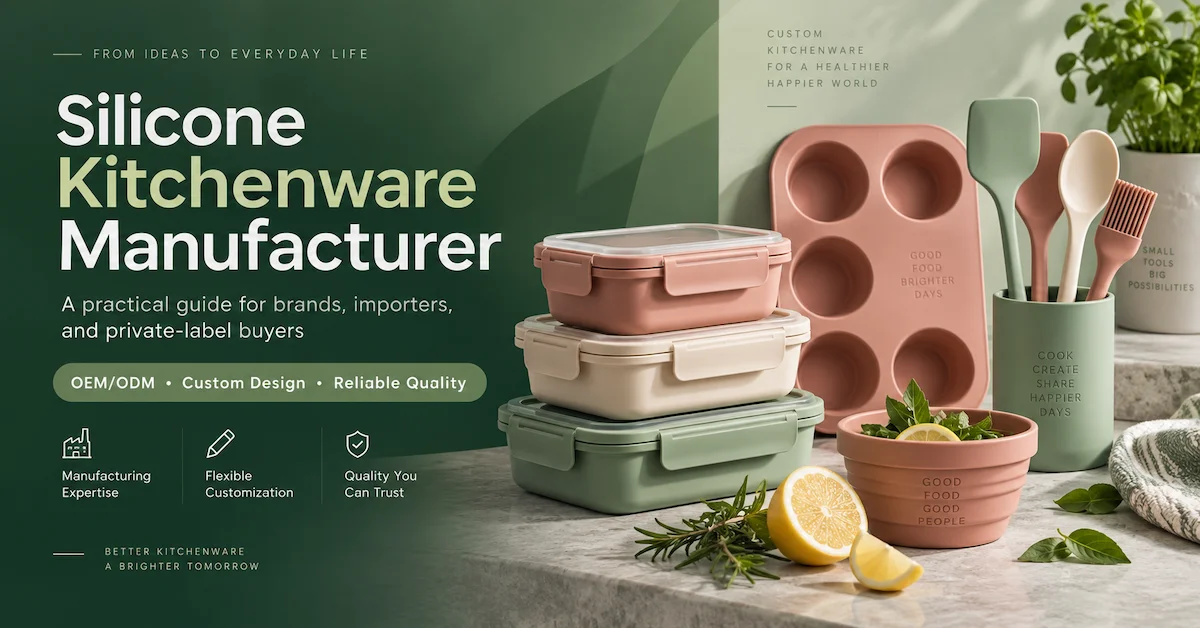
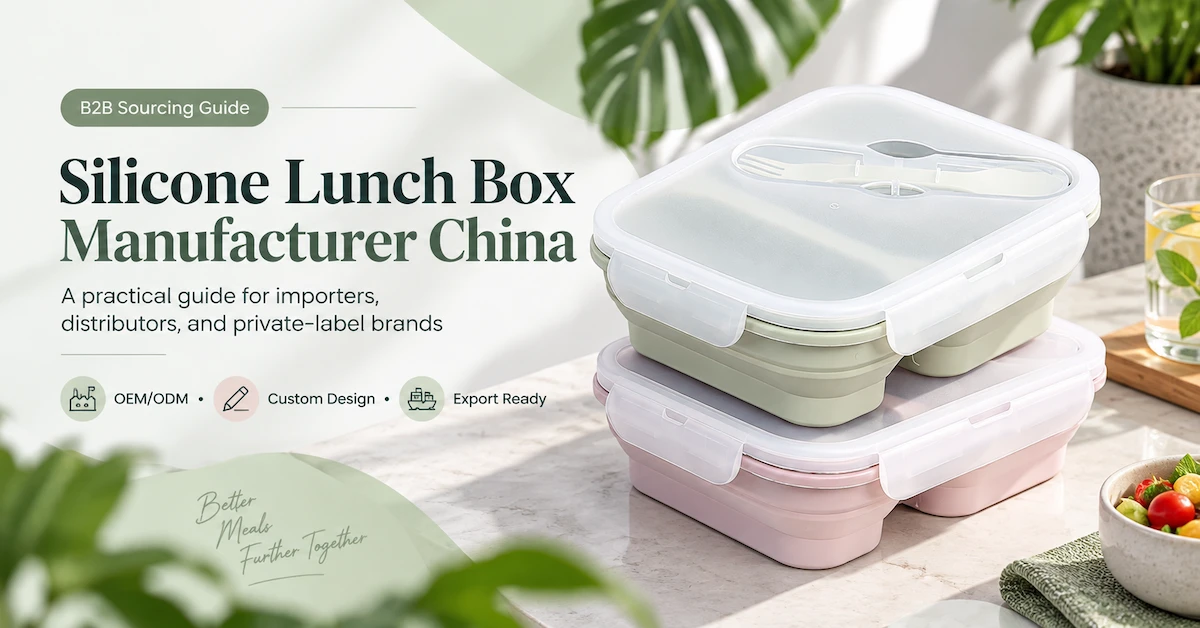
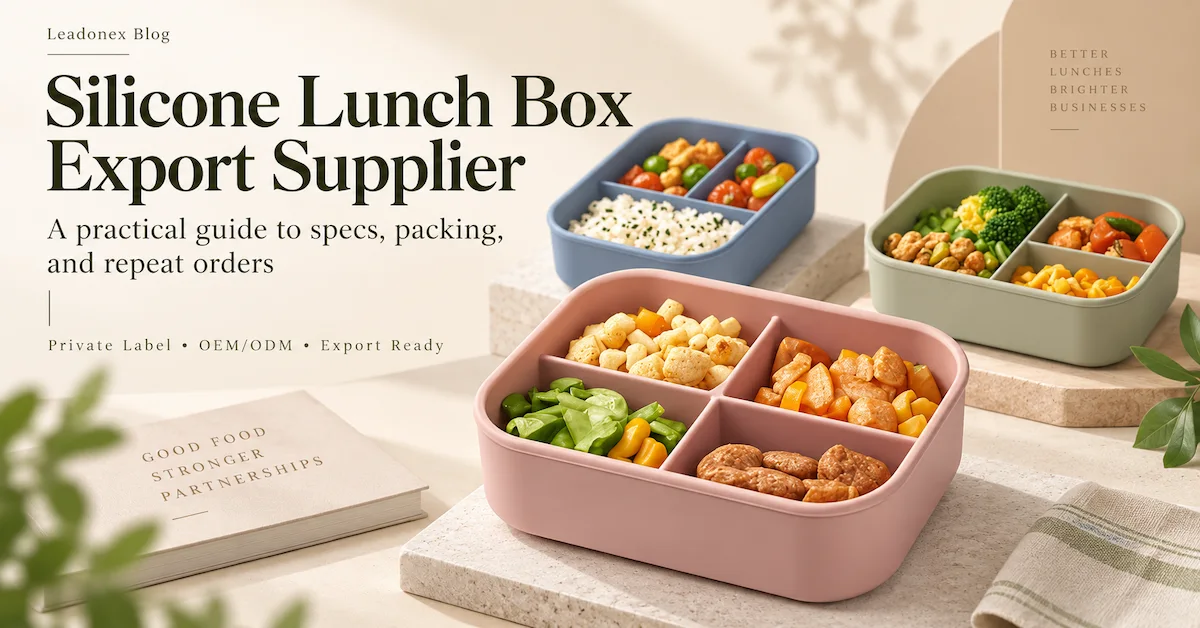
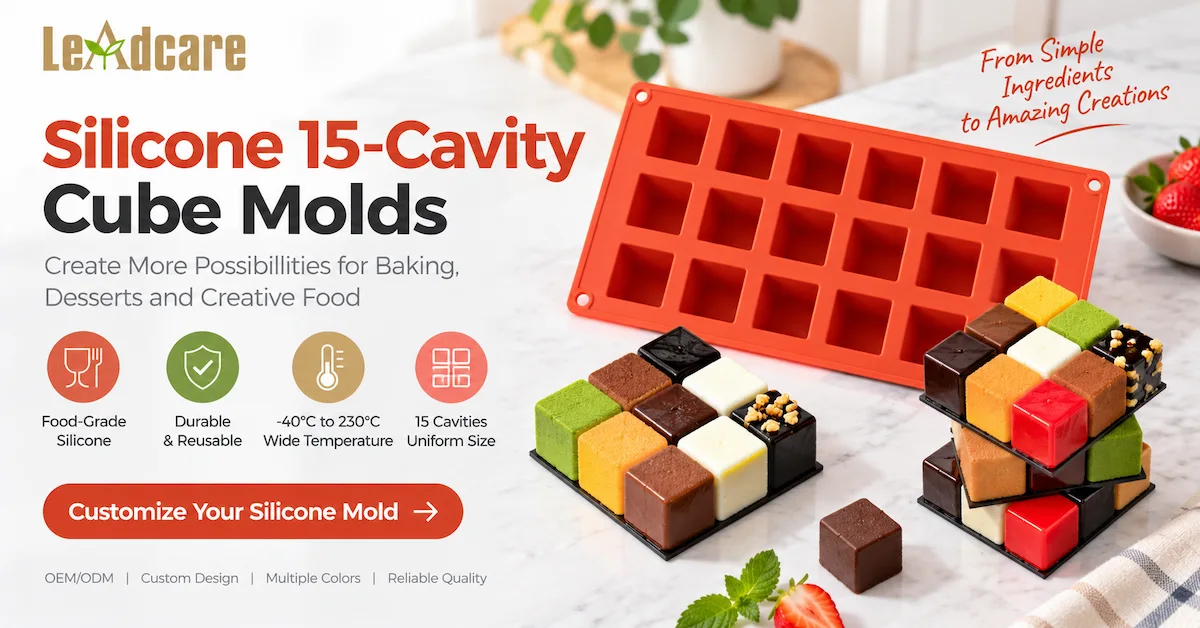
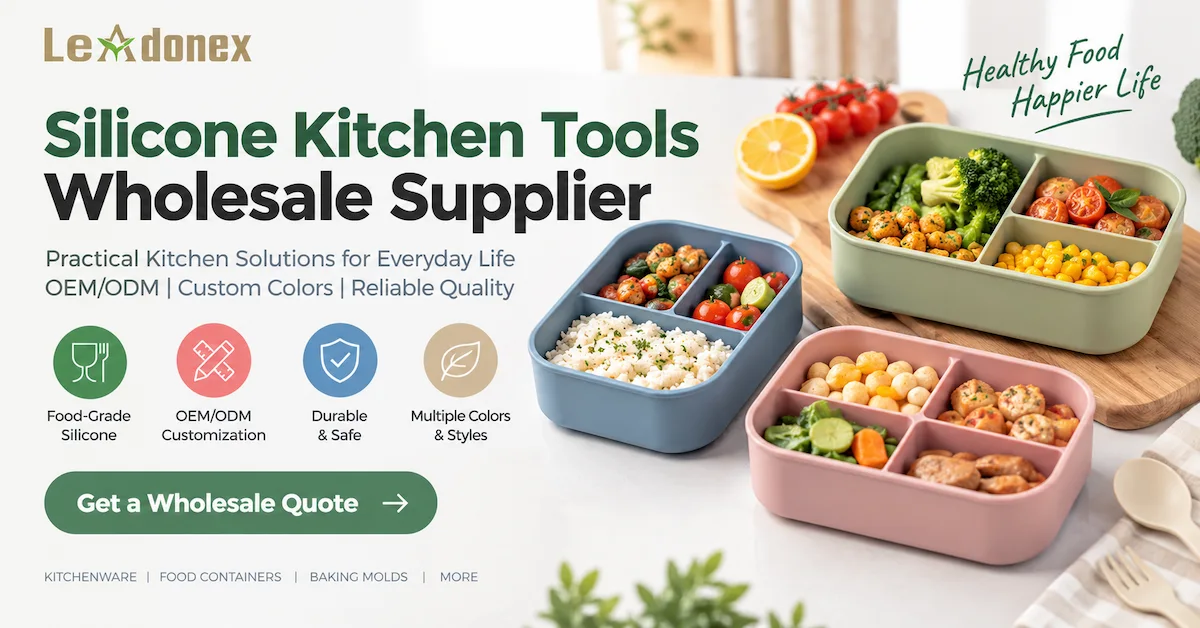
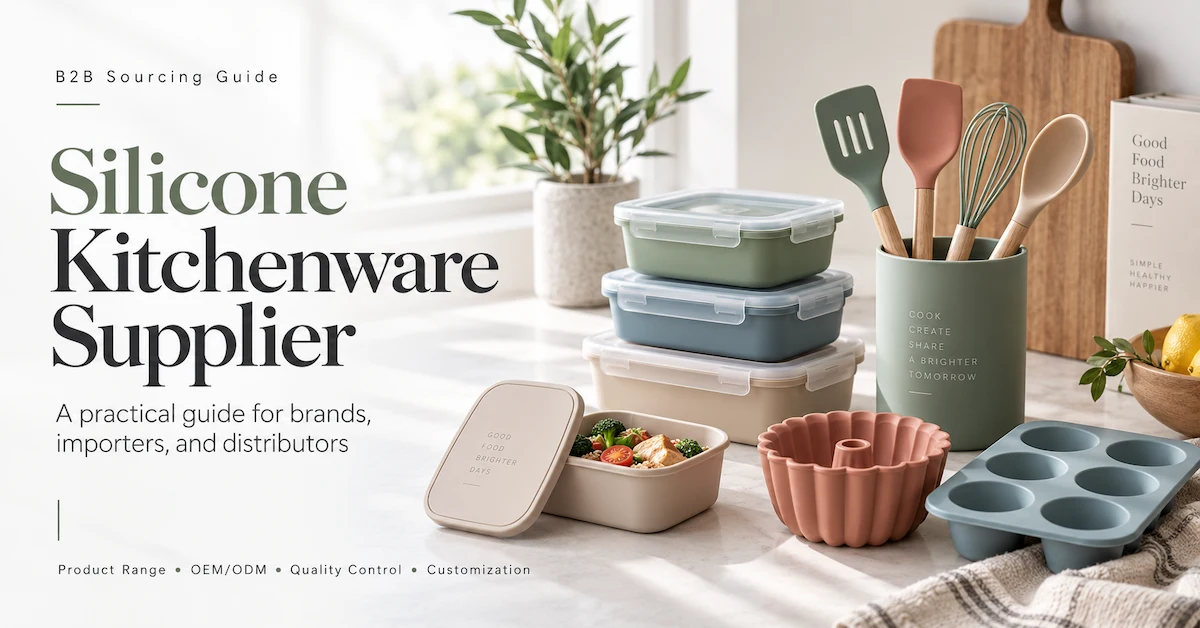
Silicone kitchenware covers various product categories, including food containers, lunch boxes, baking molds, baby tableware, and other household silicone products. Each category has different design requirements and usage conditions, which means buyers need a supplier that understands both product development and commercial requirements.
Leadonex provides silicone product solutions through its Kitchenware & Molds category, including silicone food containers and silicone mold products. Buyers can review existing product solutions and define whether their project requires standard sourcing, private label customization, or OEM/ODM development.
A strong supplier relationship starts with clear communication. Before placing an order, buyers should understand what products are available, what can be customized, how samples are approved, and how production consistency will be maintained.
What Types of Buyers Need a Silicone Kitchenware Supplier?
Different buyers have different expectations when sourcing silicone kitchen products. Understanding the purchasing goal helps identify the supplier capabilities that matter most.
Private Label Kitchenware Brands
Private-label brands usually need products that are different from generic market offerings. Their requirements often include:
- Custom colors matching brand identity
- Logo application
- Retail packaging
- Product combinations
- Product differentiation
These buyers usually need more than standard wholesale products. They require a supplier that can support product adaptation and brand development.
Leadonex provides OEM/ODM services for buyers who need customized product solutions beyond standard product selection.
Importers and Wholesale Distributors
Importers usually focus on supply reliability and commercial stability.
Their main concerns include:
- Consistent product quality
- Stable production communication
- Export packaging requirements
- Product documentation
- Repeat order consistency
For distributors managing multiple markets, maintaining the same product specifications across shipments is especially important.
Retailers and E-Commerce Sellers
Retail-focused buyers often evaluate products from the perspective of market performance.
Important factors include:
- Product appearance
- Consumer usability
- Packaging presentation
- Product differentiation
- Clear product information
A supplier should understand that the product needs to meet both manufacturing requirements and market expectations.
Evaluate Silicone Kitchenware Categories Before Selecting a Supplier
Before choosing a silicone kitchenware supplier, buyers should first define the product category they want to develop.
Leadonex provides a range of silicone kitchen product directions through its product catalog.
| Product Category | Common Applications | Key Evaluation Points |
|---|---|---|
| Silicone Food Containers | Meal preparation, food storage, portable meals | Capacity, lid design, folding structure, component details |
| Silicone Lunch Boxes | Office meals, school meals, travel | Compartments, portability, product dimensions |
| Silicone Baking Molds | Cakes, desserts, creative baking | Shape accuracy, cavity design, release performance |
| Baby Silicone Tableware | Infant feeding solutions | Product structure, usability, component safety requirements |
| Pet Silicone Products | Feeding and daily pet use | Function design, cleaning convenience |
Choosing the correct product category helps buyers communicate requirements more effectively and prevents unnecessary development discussions.
Prepare Clear Product Requirements Before Requesting a Quote
A silicone kitchenware supplier can provide more accurate recommendations when buyers provide clear project information.
Essential Product Information
Before requesting a quotation, buyers should prepare:
| Requirement | Information Needed |
|---|---|
| Product category | Lunch box, food container, mold, or other kitchenware |
| Application | Home use, retail, gift set, professional channel |
| Target market | Country, region, and customer type |
| Quantity | Estimated order volume |
| Design requirements | Size, shape, compartments, accessories |
| Color requirements | Brand colors or reference samples |
| Branding | Logo position and application method |
| Packaging | Retail and shipping packaging requirements |
A detailed product brief allows suppliers to understand the project scope and provide more suitable solutions.
Without clear requirements, different suppliers may provide quotations for different product structures, making price comparison inaccurate.
Understand Materials and Product Components
When evaluating silicone kitchenware, buyers should review the complete product structure instead of focusing only on the silicone material.
Many products may include:
- Silicone body
- Lid components
- Handles
- Closures
- Accessories
- Packaging materials
Different components may require different considerations depending on the product design.
For example, a silicone lunch box requires attention to folding performance, lid matching, and storage convenience. A silicone baking mold requires attention to cavity consistency, shape retention, and demolding performance.
A professional supplier should clearly explain the product structure and provide information based on the specific product configuration.
How to Evaluate a Silicone Kitchenware Supplier’s Manufacturing Capability
A supplier’s capability should be evaluated according to the actual product requirements.
Buyers should consider:
Product Development Capability
Important questions include:
- Can the supplier support product modifications?
- Can they assist with sample development?
- Can they provide customization options?
- Can they manage product revisions?
Production Management
Buyers should understand:
- How production requirements are communicated
- How product specifications are controlled
- How changes are managed
- How repeat orders are handled
Leadonex describes its development and customization approach through its OEM/ODM page. For specific projects, buyers should confirm the exact services and production processes applicable to their selected products.
Review Samples Before Confirming Bulk Production
Samples are an important stage when selecting a silicone kitchenware supplier.
A proper sample evaluation should include:
Appearance Review
Check:
- Surface quality
- Color consistency
- Product shape
- Edge finishing
- Logo appearance
Function Review
Depending on the product:
- Folding operation
- Lid fitting
- Product stability
- Accessory matching
- Daily usability
Packaging Review
Confirm:
- Product protection
- Package design
- Labels
- Accessories
- Shipping suitability
The purpose of sampling is not only to check appearance but also to establish a production reference for future orders.
Build Quality Control Requirements Before Production
Quality control should be defined before mass production begins.
A practical quality checklist may include:
| Quality Area | Inspection Focus |
|---|---|
| Dimensions | Product size consistency |
| Appearance | Surface defects and color variation |
| Function | Product performance and usability |
| Accessories | Quantity and matching components |
| Packaging | Labels, protection, and completeness |
A supplier and buyer should agree on inspection requirements before production. This reduces misunderstandings and provides a clear reference for shipment approval.
For repeat orders, buyers should maintain:
- Approved samples
- Product specifications
- Packaging files
- Color references
- Inspection requirements
Compare Silicone Kitchenware Suppliers Beyond Price
Price is an important factor, but it should not be the only supplier selection standard.
A complete supplier evaluation should include:
| Evaluation Factor | Importance |
|---|---|
| Product capability | Determines whether the supplier matches your product needs |
| Customization ability | Supports private-label development |
| Quality control | Reduces production risks |
| Communication efficiency | Improves project management |
| Supply stability | Supports long-term cooperation |
A lower price may not represent a better purchasing decision if it excludes important services such as packaging, customization support, or quality management.
The better comparison is the complete supply solution rather than the unit price alone.
OEM and ODM Options for Silicone Kitchenware Brands
Many brands choose OEM or ODM models when developing silicone kitchen products.
OEM Approach
Suitable when buyers already have:
- Product specifications
- Drawings
- Design requirements
- Production standards
ODM Approach
Suitable when buyers need support with:
- Product structure development
- Design improvements
- Product differentiation
- New product concepts
Leadonex provides customization services for buyers who require adjustments beyond standard products.
Before starting development, buyers should clarify:
- Which parts need customization
- Whether tooling changes are required
- Sample approval requirements
- Packaging expectations
Clear planning helps control development risks.
How to Prepare an RFQ for a Silicone Kitchenware Supplier
A detailed RFQ helps suppliers understand the project faster.
Buyers should include:
- Product category
- Reference images or drawings
- Target market
- Expected quantity
- Product dimensions
- Colors
- Logo requirements
- Packaging requirements
- Customization expectations
For new projects, buyers can submit requirements through Leadonex’s customization page.
For cooperation discussions, buyers can contact Leadonex through the contact page.
A complete RFQ allows the supplier to evaluate feasibility and prepare a more accurate proposal.
Frequently Asked Questions
1. What should I consider when choosing a silicone kitchenware supplier?
Consider product capability, customization support, quality control, communication, and the supplier’s ability to maintain consistent production for future orders.
2. Can silicone kitchenware suppliers provide private label services?
Many suppliers support private-label projects through logo customization, colors, packaging, and product adjustments. Specific options depend on the selected product.
3. What silicone kitchen products can suppliers provide?
Products may include silicone food containers, lunch boxes, baking molds, baby tableware, and other silicone kitchen solutions depending on supplier capabilities.
4. How do I compare silicone kitchenware suppliers?
Compare suppliers based on product suitability, customization capability, quality control, communication, and long-term supply support instead of price alone.
5. What information should I provide for a quotation?
Provide product requirements, quantity, target market, customization needs, packaging requirements, and reference designs.
6. Why should buyers approve samples before bulk production?
Samples help buyers confirm product appearance, function, dimensions, packaging, and quality expectations before larger orders.
7. What is the difference between OEM and ODM kitchenware sourcing?
OEM focuses on manufacturing according to buyer requirements, while ODM usually involves more supplier participation in product development and design.
8. How can brands maintain product consistency after repeat orders?
Keep approved samples, product specifications, artwork files, packaging details, and inspection standards as references for future production.
9. What affects silicone kitchenware costs?
Costs can be affected by product structure, materials, customization level, packaging, quantity, and development requirements.
10. How can I start working with Leadonex?
Review Leadonex’s kitchenware products, prepare your requirements, and contact the team with your project details.
Conclusion
Choosing the right silicone kitchenware supplier helps brands create reliable products, reduce sourcing risks, and develop long-term kitchenware collections. A suitable supplier should provide clear product information, customization support, quality management, and consistent manufacturing processes.
Leadonex supports silicone kitchenware projects through its Kitchenware & Molds products, OEM/ODM services, and customization solutions.
For importers, wholesalers, and private-label brands, preparing a detailed product brief with application, specifications, branding, packaging, and quantity requirements is the foundation for building an efficient supplier partnership. A clear sourcing process helps both buyers and manufacturers create better products and achieve more stable long-term cooperation.